Pre-Approved Car Loan Canada: Credit Effects & Negotiation Tips
18 August 2025For most Canadians, buying a car is one of the biggest financial commitments they’ll ever make. Between navigating dealerships, figuring out budgets, and understanding interest rates, the process can quickly become overwhelming. That’s where a pre-approved car loan comes in — it’s like walking into the dealership with money already in your pocket.
But if you’re like many drivers, you probably have questions:
- Does a pre-approved car loan hurt your credit score?
- Can pre-approval really help you negotiate a better deal?
- What if you have bad credit — is pre-approval even possible?
This in-depth guide will answer all three questions and more. By the end, you’ll not only understand how pre-approval works in Canada, but also how to use it as a powerful tool for both your finances and your peace of mind.
Does a Pre-Approved Car Loan Affect Your Credit Score?
When you hear the term pre-approved car loan, it sounds reassuring — almost like a guaranteed green light. But for many Canadians, there’s still that nagging question: “If I apply for pre-approval, will it hurt my credit score?”
The short answer is: yes, pre-approvals can impact your credit, but the effect is usually minimal, temporary, and often outweighed by the benefits. Let’s break this down in detail.
Soft vs Hard Credit Inquiries
Your credit score in Canada is influenced by several factors, including payment history, credit utilization, length of credit history, and the number of recent credit inquiries. When it comes to pre-approvals, the type of credit inquiry matters most.
- Soft Inquiry (Soft Pull) - A soft inquiry happens when a lender does a basic check of your credit to give you an idea of your eligibility. It’s like a background check, visible to you but not to other lenders. Importantly, it doesn’t affect your score.
Example: Online “check your rate” tools often use soft pulls. If you’re just comparing lenders casually, you may only see a soft pull.
- Hard Inquiry (Hard Pull) - A hard inquiry happens when you formally apply for credit. Most true pre-approvals for car loans in Canada require a hard pull, because the lender is committing to give you a rate and loan amount. A hard pull can cause a temporary dip (about 5–10 points) in your credit score.
Example: Applying at your bank for a pre-approved car loan.
Is the Impact of Hard Inquiry Permanent?
The effect of a hard inquiry isn’t permanent. In most cases, your score bounces back within a few months, especially if you keep making on-time payments on existing debts.
- A single inquiry = small dip (usually 5–10 points).
- Multiple inquiries in a short period (for the same type of loan) are grouped as one.
- Inquiries stay on your report for 2 years but only affect your score for about 12 months.
Rate Shopping: How Credit Bureaus Protect You
Car buyers often “rate shop,” which means applying to multiple lenders to find the best deal. Credit bureaus (Equifax and TransUnion) know this is normal behavior and have rules to prevent penalizing you for it.
- 14–45 Day Window Rule: If you apply for several pre-approvals within a short window, they count as one inquiry.
- This allows you to safely compare rates from different lenders without worrying about your score plummeting.
Example: You apply for pre-approval at three lenders within 20 days. Your credit report shows three inquiries, but your score only treats it as one.
That means you can safely compare offers from multiple lenders without destroying your credit.
The Long-Term Credit Benefits of Pre-Approval
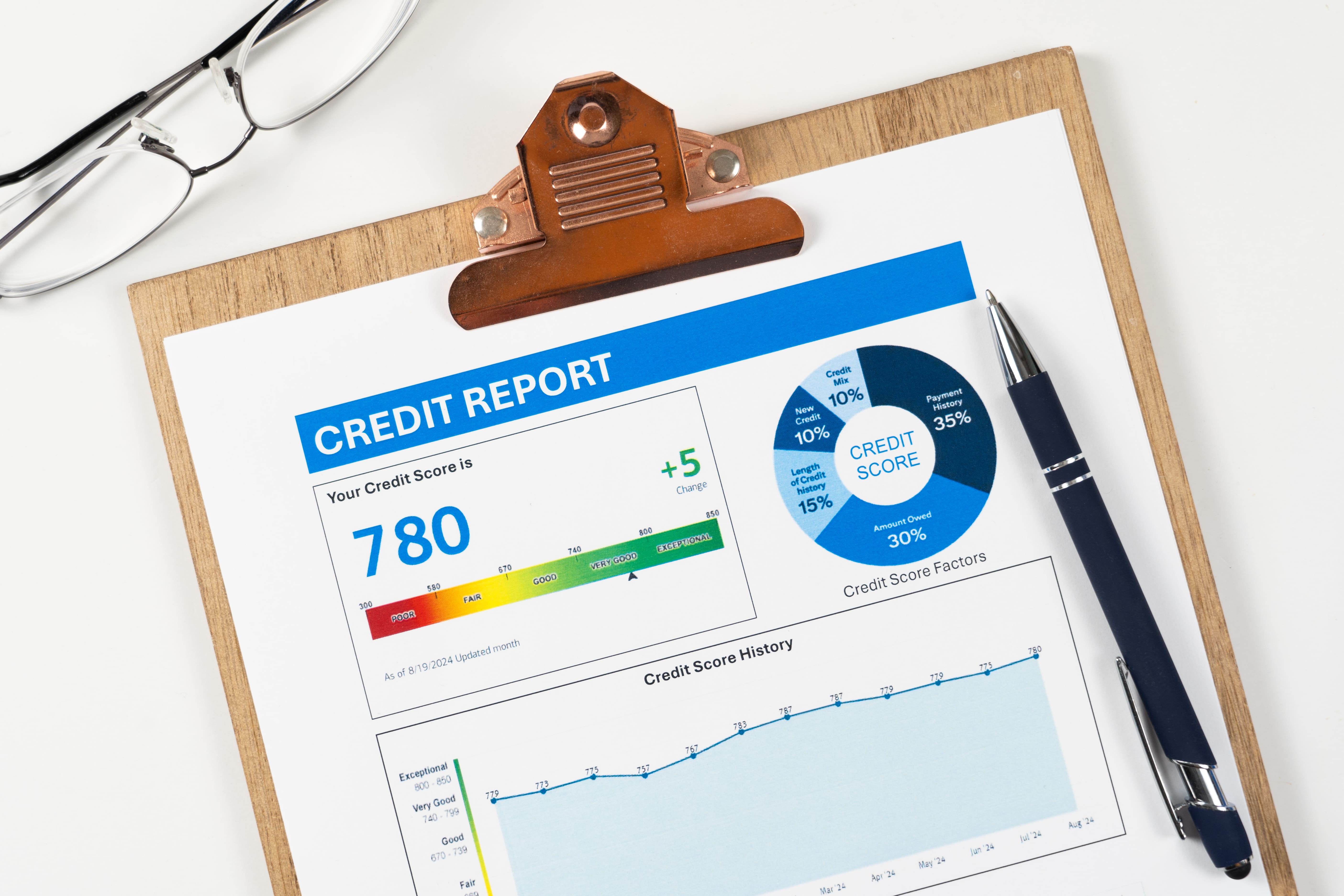
While pre-approval may cause a tiny dip initially, the real impact comes later — when you secure the loan and start making payments.
- On-time payments: Car loans are installment credit, which is viewed positively if managed responsibly.
- Credit mix: Having a variety of credit types (credit card + installment loan) can improve your score.
- Building history: A car loan helps establish a longer credit history, which makes up about 15% of your score.
Don’t let the fear of a small credit dip stop you from seeking pre-approval. The advantages — especially in negotiation — outweigh the minimal impact.
Common Myths About Credit Scores and Pre-Approvals
Myth 1: Every pre-approval destroys your credit.
Truth: One or two inquiries barely move the needle. Unless you’re applying recklessly to dozens of lenders, you won’t see significant damage.
Myth 2: It’s better to let the dealer check my credit instead.
Truth: Dealers still do a hard pull. The difference is, without pre-approval, you may not know if the rate they’re offering is fair.
Myth 3: If I have bad credit, I shouldn’t try for pre-approval.
Truth: Even with poor credit, pre-approval helps you understand what’s possible — and it can be a first step toward rebuilding.
Strategies to Minimize Credit Impact
If you’re cautious about protecting your score, here’s how to approach pre-approval smartly:
- Limit Your Applications to a Short Window: Submit all applications within 2–3 weeks.
- Know Your Credit First: Get your free credit report from Equifax or TransUnion before applying.
- Avoid “Shotgun Applications”: Don’t apply randomly to dozens of lenders. Target a few, compare, then decide.
- Use Pre-Approval Strategically: Apply only when you’re seriously considering buying a car — not months in advance with no intention to shop.
How a Pre-Approved Car Loan Gives You Negotiation Power

One of the least understood benefits of pre-approval is the psychological and financial leverage it gives you at the dealership.
Why Dealers Prefer Buyers Without Pre-Approval
When you walk into a dealership without financing lined up, the dealer controls the entire transaction. Not only do they sell you the car, but they also arrange the financing. Dealers often make additional profit by marking up the interest rate offered by lenders.
For example:
- The bank approves you at 6% interest.
- The dealer offers you financing at 7.5%.
- That 1.5% difference goes straight into the dealership’s pocket.
Without pre-approval, you may never know what rate you actually qualified for.
The Pre-Approval Advantage
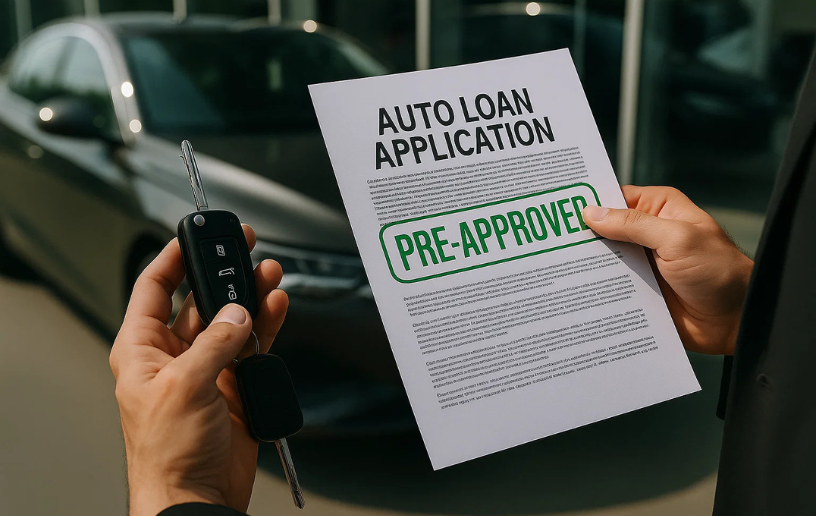
Walking in with a pre-approved car loan is like bringing cash to the table. The dealer immediately knows you’re serious — and that you have options.
Benefits include:
- Budget Clarity: You already know the max loan amount, interest rate, and monthly payment.
- Confidence: You negotiate car prices, not financing terms.
- Control: The dealer has to compete for your business instead of dictating terms.
Instead of being cornered into asking, “What’s the lowest monthly payment you can give me?” (a question dealers love, because they can stretch loan terms to make payments look smaller), you’re saying, “I have $25,000 pre-approved at 6%. Can you beat that?”
How to Use Pre-Approval During Negotiation
Step 1: Don’t show your hand immediately.
When you walk into a dealership, focus first on the vehicle. Test drive it. Ask about features. Let the dealer present you with their “best deal.”
Step 2: Compare their offer with your pre-approval.
If the dealer offers financing at 7.5%, and you already have 6% in writing, you know their offer isn’t competitive.
Step 3: Use your pre-approval as leverage.
You might say: “I already have a pre-approved loan at 6%. If you can beat that, I’ll finance through you. Otherwise, I’ll stick with my lender.”
This forces the dealer to either match your rate or lower the car price to keep the deal alive.
Example Scenarios
Scenario A: No Pre-Approval
- Sarah walks in without pre-approval.
- The dealer shows her a $30,000 SUV.
- Financing is offered at 8% for 72 months.
- Monthly payment looks manageable, but Sarah ends up paying over $7,500 in interest.
Scenario B: With Pre-Approval
- James walks in with a pre-approved car loan of $25,000 at 6% interest.
- The dealer shows him the same SUV.
- James says, “My budget is capped at $25,000. I already have financing at 6%.”
- Dealer lowers the SUV price to $25,000 to secure the sale and agrees to match the 6%.
- James saves $5,000 in the long run.
Why Dealers Take Pre-Approved Buyers Seriously
Dealers know pre-approved buyers:
- Have already been vetted by a lender.
- Are less likely to waste time browsing vehicles outside their budget.
- Mean faster sales with fewer hurdles.
This is why many sales managers will work harder to close the deal — whether by lowering the car price, offering perks, or matching your interest rate.
Can You Get a Pre-Approved Car Loan with Bad Credit?
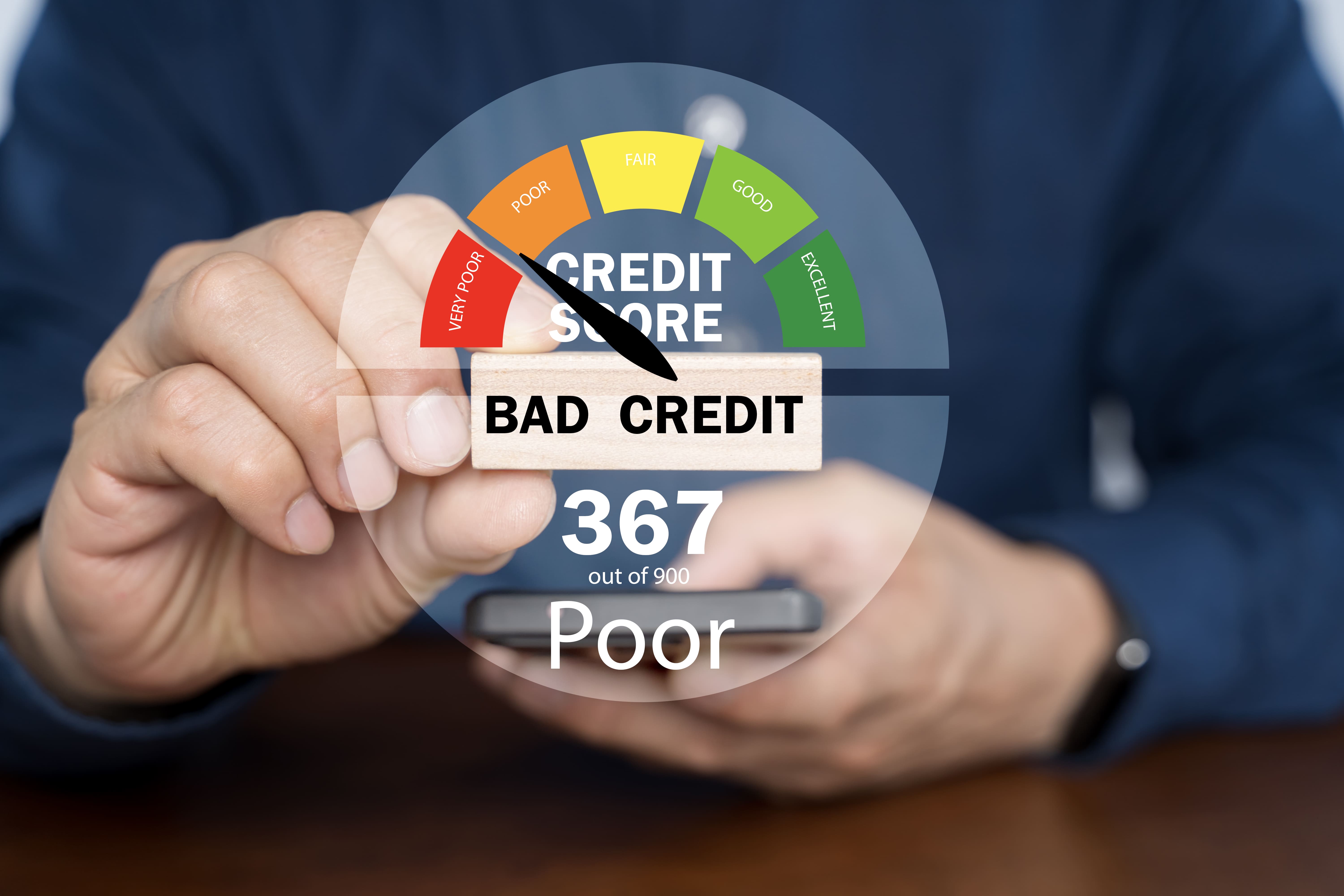
For many Canadians, the phrase “bad credit” feels like a closed door. Maybe you’ve missed a few payments in the past, carried high balances on credit cards, or even faced collections. Whatever the reason, you might assume a pre-approved car loan is out of reach.
The reality? It isn’t. Pre-approval with bad credit is absolutely possible — you just need to understand how lenders view risk, what to expect in terms of loan terms, and how to improve your odds of approval.
What Counts as “Bad Credit” in Canada?
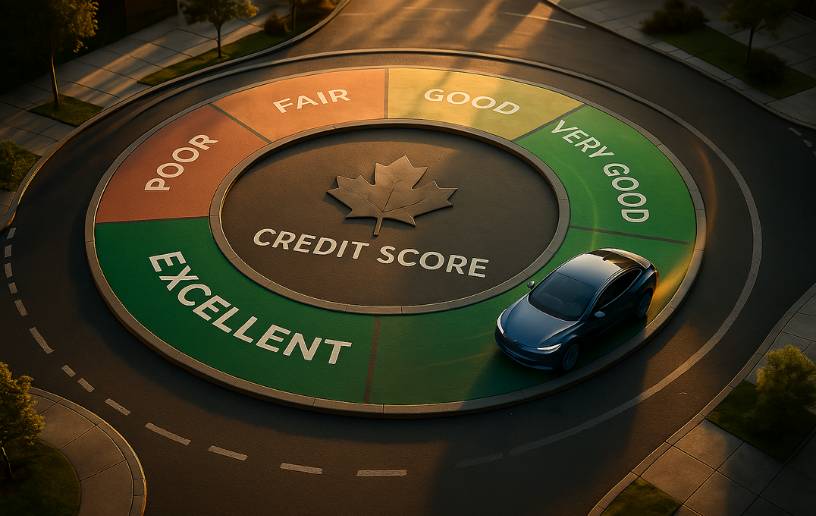
Credit scores in Canada range from 300 to 900, and most lenders use the following breakdown:
- 750–900: Excellent (best rates, easiest approvals)
- 700–749: Good (favorable rates, low risk)
- 650–699: Fair (may face slightly higher rates)
- 600–649: Poor (limited options, higher rates)
- 300–599: Bad Credit (considered high-risk)
If your score is below 600, traditional banks may hesitate to approve you. But that’s where alternative and subprime lenders step in.
How Subprime Lenders Handle Bad Credit Pre-Approvals
Subprime lenders specialize in working with people who don’t fit the traditional lending box. Instead of just looking at your credit score, they focus on current stability:
- Income: Are you bringing in steady earnings every month?
- Employment History: How long have you been with your current employer?
- Debt-to-Income ratio (DTI): How much of your income already goes toward other debts?
- Down Payment: Are you willing to invest some cash upfront?
By weighing these factors, lenders can offer bad credit pre-approvals that make sense for both sides.
What to Expect if You Have Bad Credit
If you’re applying for a pre-approved car loan with bad credit, here are the realities you should be prepared for:
1) Higher Interest Rates
- Instead of 5–8% offered to borrowers with good credit, you may see rates between 10–18%.
- The exact rate depends on your unique profile (income, down payment, lender type).
2) Shorter Loan Terms
- Some lenders limit bad credit borrowers to shorter terms (36–60 months instead of 72–84).
- This reduces the lender’s risk exposure but means higher monthly payments.
3) Vehicle Restrictions
- Some lenders won’t finance cars over a certain age or mileage if your credit is poor.
Example: They may approve a 2019 sedan but not a 2008 SUV with 250,000 km.
4) Smaller Loan Amounts
- Instead of financing $35,000 for a new SUV, you might only qualify for $15,000–$20,000 for a used car.
Strategies to Improve Odds of Pre-Approval
- Save for a Larger Down Payment: Even $1,500–$3,000 upfront reduces lender risk.
- Consider a Co-Signer: Having a family member with good credit co-sign can lower your rate.
- Pay Down Other Debts First: Even small reductions in debt improve your score and approval odds.
- Start with a Used Vehicle: Cheaper cars mean smaller loans, which are easier to approve.
Get Pre-Approved Today with Auto Lending Canada
At Auto Lending Canada, we believe every driver deserves to shop with confidence. Whether your credit is excellent, fair, or still a work in progress, we connect you with lenders who understand your situation. Pre-approval gives you control over your car-buying journey — and we’re here to make that journey smoother.
Ready to take the first step? Apply for your pre-approved car loan today and drive into your next chapter with confidence.
FAQs About Pre-Approved Car Loans in Canada
1. Does pre-approval guarantee final approval?
Not always. A pre-approved car loan is only a conditional offer. Final approval depends on the exact vehicle you choose, its value, and updated financial checks done by the lender before funding the loan.
2. How long is a pre-approval valid?
Most car loan pre-approvals in Canada are valid for 30–90 days. This gives you time to shop for a vehicle while locking in an interest rate, but you may need to reapply if the approval expires.
3. Can I be denied after being pre-approved?
Yes, it is possible. Even with a pre-approved car loan, you can be denied if your financial situation changes, your credit score drops, or the vehicle you select doesn’t meet the lender’s criteria.
4. Do pre-approvals apply to leases?
Typically no. Car lease approvals require a different credit check and assessment, since leasing is structured differently than financing a vehicle purchase. Pre-approvals usually apply to loans only.
5. Can self-employed individuals get pre-approval?
Yes, self-employed individuals can qualify for a pre-approved car loan. However, lenders often ask for extra proof of income, such as recent tax returns, bank statements, or financial records to verify stability.